
The Hutterite
A note on legitimacy

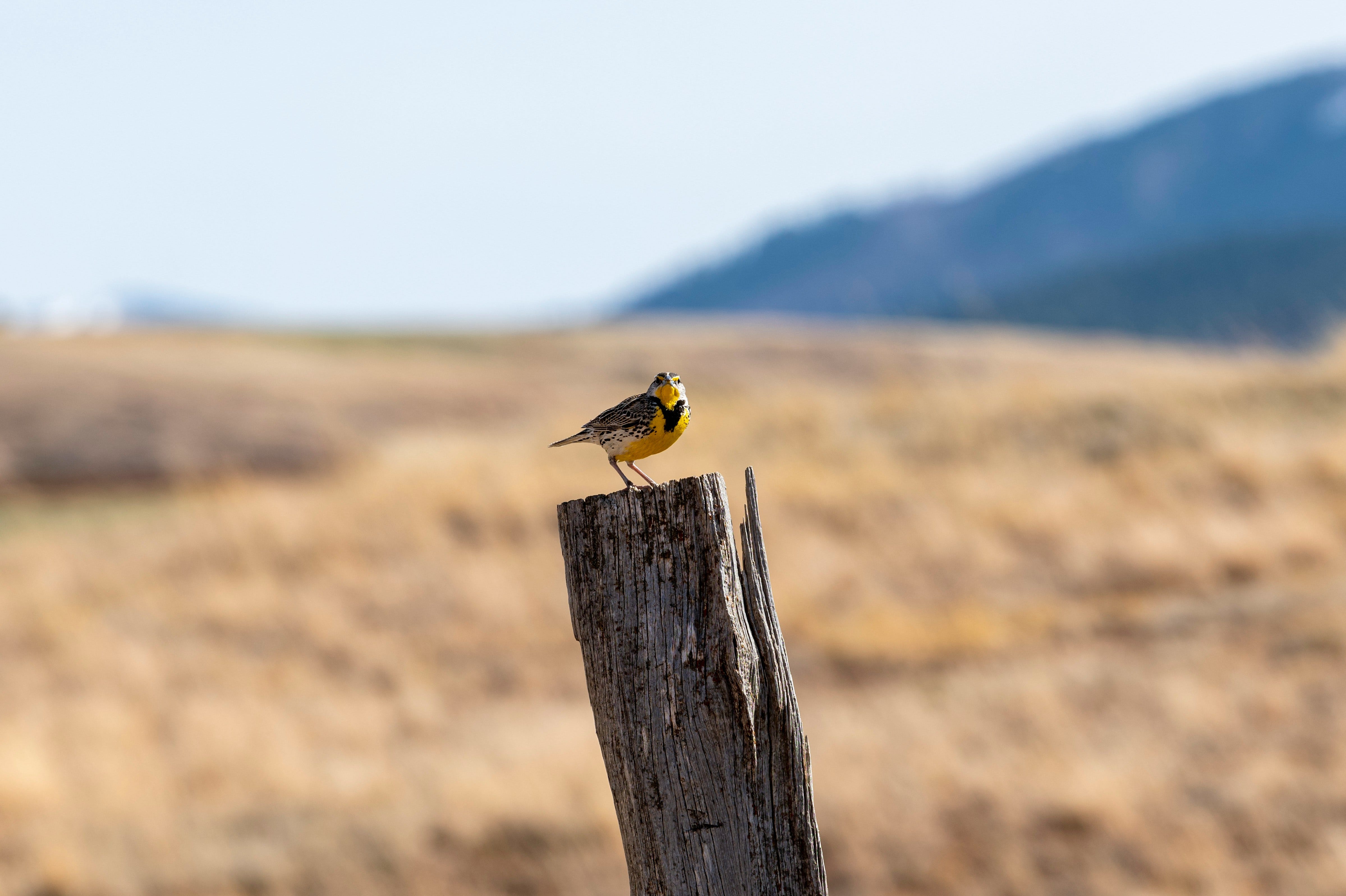
Neighbors, when I was 15, I went to live as a nanny for a spring, summer, and fall on a huge property in a very, very rural area of central Montana. It wasn’t very far from where my great-great-grandparents on one side of my family homesteaded*, and it was a piece of the same vast indigenous homeland that many, many generations on the other side of my family had inhabited since before white people arrived.
Palette
There’s a painting hanging in my living room that had hung for decades in my great-grandmother’s dining room, depicting that land and showing their homestead. I used to study it as a child. Now my grandson studies it, exclaiming, “Car!” each time, because he somehow recognizes the Model A parked alongside his great-great-great-great-grandparent’s home as a car just like the ones he sees now.
All the colors in the painting, except for the blue of the sky, are quite muted. I already had my driver’s license (which one gets young in Montana), so on the long drives to and from the family’s home, through the open, rolling grasslands that mark the transition zone that is central Montana from the mountain ranges in the west to the prairie in the east, I had lots of time to take in these colors, relating them to the painting I studied so often when I was little. The color palette was (is) true to life and had remained unchanged for all the time since the homestead days, and I suspect since before those days, too.
Rural
Their home was the kind of rural that I don’t think a lot of people have really experienced. There was almost nobody out there. You literally could not see any of the neighbors’ homes, or even their property lines. Homes were located miles off the highway, away from prying eyes, down rutted dirt roads.
It was not uncommon on the drive to and from town to pass no other vehicles. Despite being a young driver, if you just practiced a modicum of driving skill and awareness, it was safe. You could just relax and look in the far distance, at the mountain ranges, which is very good for the eyes, and in the summer, roll your windows down and listen to the rushing air and occasional meadowlark song, which is very good for the ears.
Some of my childhood friends, who are among our neighbors here, will know this land I’m describing, north of our town. Some of them also have generations-long family ties to it. Hopefully, I’m doing it justice.
Known
Anyway, I took care of a little boy and girl on this property from before sunrise until long after sunset, except for the hours while we were all in school for a few weeks in the spring and fall. Their parents ran a business supporting the grain industry in Montana, and because the growing season is short and furious in northern climates, they often left for work by 3 AM and didn’t return until 9 PM or even later. We were mostly alone out there.
I was fine with it. It was peaceful (except for shrieking arguments conducted on the trampoline between bored siblings when the summer break had started to feel a little too long on late July afternoons). The isolation didn’t feel threatening because the setting was so familiar.
I think I wasn’t worried about being alone with two little kids out there, because on a deep level, the land felt known. And besides, as anyone who has ever lived a rural lifestyle knows, you aren’t truly, truly alone.
The Hutterite
Our closest neighbors, who were not that close at all, were a Hutterite colony. For those who don’t know, Hutterites are kind of like the Amish. Less radical about modern technology use, more radical about aspects of communal living. My experience of Hutterites, both those who remained on the colonies and those who left, is that they are kind, jovial, and very hard workers.
One afternoon in early summer, shortly after school let out, I noticed the glint of sunlight on a windshield while I was at the kitchen sink. It was coming from an enormous pickup truck that had turned off the highway and was heading to the house. I stepped onto the deck as the pickup pulled up out front, quickly recognizing, thanks to their distinctive black wide-brim hat and bonnet, that it was two of our Hutterite neighbors.
Just because rural folks let each other be most of the time, doesn’t mean they didn’t clock the comings and goings. They had noticed a nanny had come to live with the family, and they’d brought fresh-baked bread and sticky orange knots as a welcome. They introduced themselves, and we shook hands, while I told them my name and thanked them. Hutterite baked goods are delicious, and I promised to share them with the kids.
The kids had been just inside the house during this whole exchange, watching and singing along to a Garth Brooks video on the country music channel. We could hear the music outside, and George, the husband, gave a stern look. In his thick accent, due to the German dialect Hutterites speak, he said, “If Garth Brooks played right here, in this front yard, I’d turn my back on him.” George’s wife smiled and shook her head in agreement.
It was pleasant, but I don’t honestly remember how the rest of our conversation went. I don’t know whether George explained his position to me in detail or not. I’m unsure if his rejection of Garth was on religious grounds, something to do with their faith, or if he just didn’t think he had much talent. Or maybe, being an older gentleman, George wasn’t really that into mid-1990s country music?
Legitimacy
Regardless, George thought Garth Brooks was unfit. He had no legitimacy, at least as an entertainer, in George’s (and his wife’s) eyes. So much so that George wouldn’t even bother to look at him, no matter how proximate a Garth Brooks performance was.
Neighbors, I’ve often thought about George and that time in my life over the past few years. I don’t have a bone to pick with Garth Brooks specifically, but the merit of George’s tactic has grown in importance in my mind. There is a lot about our culture, our government, about many of our systems and institutions, that is no longer legitimate (if it ever was). In some ways, changing them really is as simple as turning our backs.
Their legitimacy would crumble if we stopped giving them our attention. I don’t mean living in denial, I mean taking a posture of refusal. George didn’t say he’d pretend Garth didn’t exist; he said he’d turn his back on him. No matter how close or relevant some of these things seem to our lives, it is our recognition, regard, and energy that prop them up.
One small example (be sure to watch this clip) is the way we allow war to be reported on or discussed in terms of gas prices, stock values, or boom/bust to our economy, rather than human life shredded. Wasted. That’s depraved. I’m sure you can think of many other large and small examples.
Turning Our Backs
If we just turned our backs, we could give our time and attention to the things that produce true security and connection. Like building a bond with the physical land around us, perhaps even humbly learning how to steward it from those it actually belongs to. In time, understanding that all land is holy. Like caring through tangible action for our real-life neighbors, perhaps even learning how to be committed to each other’s well-being. In time, understanding that all people are chosen.
While George’s back was turned on Garth Brooks, he had time to notice that there was a 15-year-old out there in the wide-open, making sure two little kids were cared for, while their mom and dad wrung a living out of both day and night. He and his wife made it their business to be their neighbor’s keeper, letting us know there were others watching and ready to lend a hand. What a privilege for me to be on land that felt known, trusted with a family’s breathing future, confident my neighbors would not abandon me, distracted by illegitimate forces.
If we just turned our backs, if we withdrew legitimacy, we might find it’s much more peaceful out here, and we are much less alone than it appears.
*I used the term “homestead” because it’s the term we were all taught. It’s easily understood. However, the reality of how the land became available in the first place is something America must grapple with, starting with our family histories. When my grandson is old enough to understand, I’ll tell him that the land in the painting was stolen before it was “settled,” and that telling the truth is the beginning of repair.
If this note made you feel something, please hit the ❤️. If you are new to the neighborhood, consider subscribing. If you find yourself returning to the neighborhood, consider upgrading to a paid subscription or Buying Me A Coffee. Either buy me a little extra space for sending these notes.
As usual you depicted the land, sky and Hutterites with excellent detail. I think it is very important that we teach/tell my great grandson about the land and our ancestors that came before us. Telling the oral history because at any moment the "written" accountants can/will be removed.